
SHINE

My name is Arafat Seid, founder of Village Omo Valley Tours. I was born and raised in Jinka, the capital of the Omo Valley region. I built my career as a tour guide in the Omo Valley, gaining deep knowledge of the land and its people. Over the years, I have earned the trust of local communities and tribal leaders, allowing me to offer authentic and respectful cultural experiences.
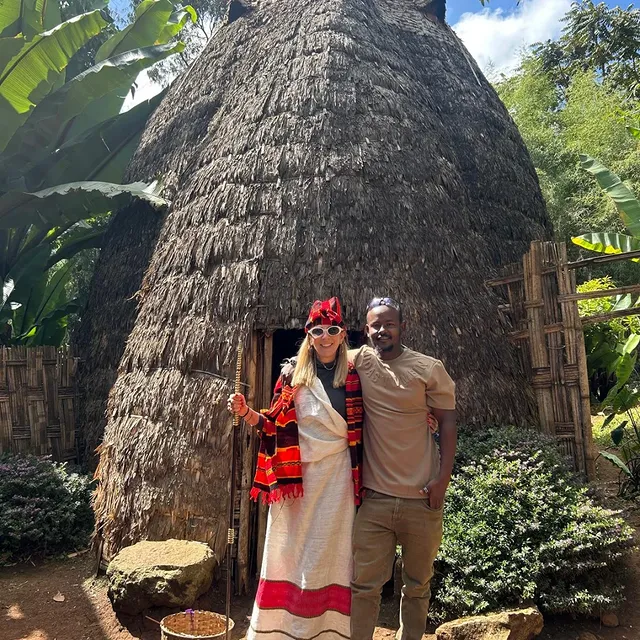



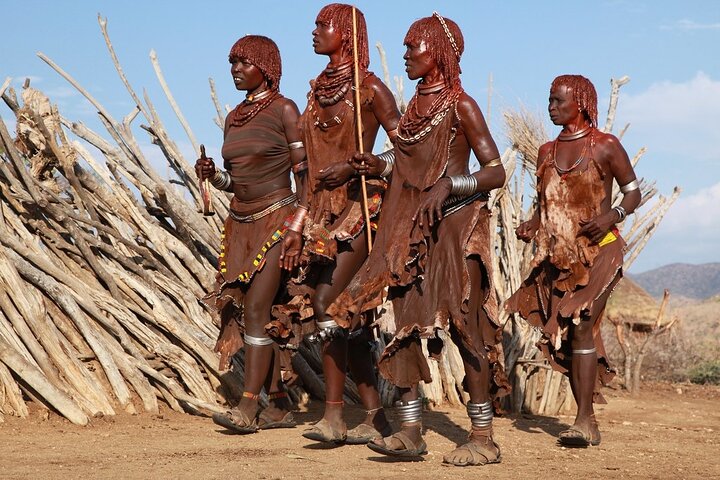
Ethiopia is one of Africa’s most fascinating destinations — a land of ancient history, dramatic landscapes, and rich cultural diversity. From the rock-hewn churches of Lalibela to the tribal villages of the Omo Valley, travelers are rewarded with unforgettable experiences. Like any adventurous destination, however, proper preparation is key to ensuring a safe and healthy journey.
Here are essential health and safety tips to help you travel confidently in Ethiopia.
Before arriving in Ethiopia, visit a travel clinic or doctor at least 4–6 weeks in advance. Common recommended vaccinations include Yellow Fever, Hepatitis A and B, Typhoid, Tetanus, and routine immunizations. Malaria prevention may also be advised, particularly if you plan to visit lowland regions such as the Omo Valley.
Carry a basic medical kit with personal medication, pain relievers, antiseptic wipes, and rehydration salts — especially when traveling to remote areas.
Tap water in Ethiopia is not safe for drinking. Always use bottled or purified water for drinking and brushing your teeth. Staying hydrated is especially important in hot regions like Southern Ethiopia and the Danakil Depression.
Tip: Keep a reusable bottle with a built-in filter to reduce plastic waste while staying safe.
Ethiopian cuisine is delicious and diverse, but travelers should take basic precautions:
If you’re joining a tour with Village Omo Valley Tours, we select trusted restaurants and accommodations that meet hygiene standards.
Many parts of Ethiopia sit at high altitude or in hot lowland climates. Sun exposure can be strong even on cooler days. Bring sunscreen, sunglasses, a hat, and lightweight long-sleeved clothing to prevent sunburn and dehydration.
Cities like Addis Ababa, Lalibela, and the Simien Mountains are located at high elevations. Some travelers may feel mild altitude effects such as headaches or shortness of breath. Rest well on arrival, drink plenty of water, and avoid heavy activity on your first day.
Carry hand sanitizer and wet wipes, especially when visiting rural villages or markets. Wash hands regularly before eating. These simple habits go a long way in preventing stomach issues.
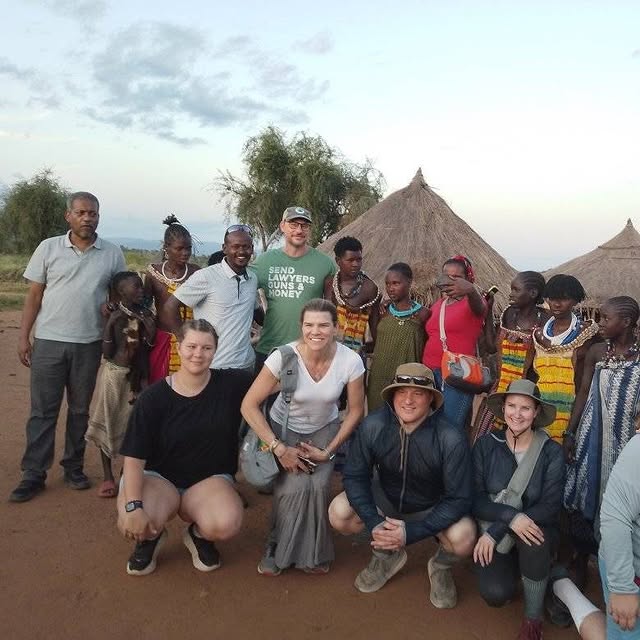
Some of Ethiopia’s most exciting destinations, including the Omo Valley, involve remote travel. Joining a reputable local tour company ensures safer transportation, reliable accommodation, and respectful community visits. Local guides also help bridge language and cultural gaps.
Safety is not only physical — cultural awareness matters too. Dress modestly in rural areas, always ask before taking photos of people, and follow your guide’s advice during village visits.
Ethiopia is generally safe for tourists, but as in any destination:
Comprehensive travel insurance covering medical care, evacuation, and trip interruption is strongly recommended. Medical facilities in remote regions are limited, so insurance provides peace of mind.
Traveling in Ethiopia is a rewarding and eye-opening experience. With basic preparation and responsible travel habits, your journey will be safe, comfortable, and memorable.
At Village Omo Valley Tours, your safety and well-being are our priority. Our experienced local guides, trusted drivers, and carefully selected accommodations ensure you explore Ethiopia with confidence.
Ready to discover Ethiopia?
Contact Village Omo Valley Tours today and let us craft your journey with care.